
Core Python Libraries

Core Python Libraries form the backbone of efficient, reliable, and scalable Python applications. This subcategory explores essential built-in and foundational libraries that simplify everyday development tasks, from data handling and file processing to concurrency, networking, and system operations. We break down how these libraries improve performance, reduce complexity, and enable clean, maintainable code. Whether you’re building data pipelines, backend services, or automation tools, these insights help you leverage Python’s core ecosystem to write smarter, faster, and more robust software.

NumPy Data Types Explained (int, float, bool, complex, custom dtypes)

Unlock the power of NumPy dtypes for high-performance Python development. This guide explains int, float, bool, complex, and custom types, covering memory layout, type conversion, structured arrays, and best practices. Learn to optimize speed, precision, and memory, enabling efficient data processing, machine learning, and scientific computations at scale.

NumPy Data Types Explained (int, float, bool, complex, custom dtypes) Read More »

NumPy

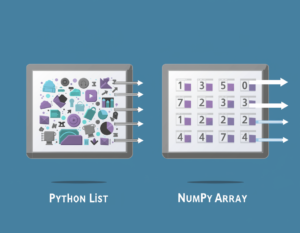
NumPy array Indexing and Slicing tricks every Data Scientist should know

Mastering NumPy indexing and slicing is essential for efficient, reliable data science. From views versus copies to boolean masking, ellipsis, and advanced multi-dimensional selection, this article unveils practical tricks that improve performance, maintainability, and correctness in real-world pipelines. Gain the skills that separate beginners from professional Python practitioners.

NumPy array Indexing and Slicing tricks every Data Scientist should know Read More »

NumPy
Scroll to Top